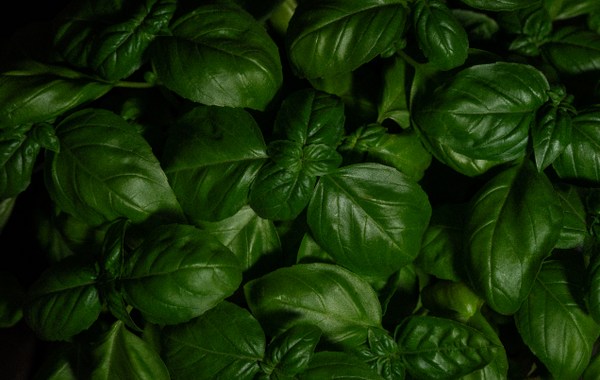
Basil is a popular herb that can be used in many dishes. It has a fresh and peppery flavor. Basil’s leaves are long, narrow, and come from the base of the plant.
Basil is native to India and Southeast Asia. It’s now grown all over the world for its use in cooking and herbal medicine. Basil has been used for thousands of years as a culinary herb, as well as medicinally.
It’s often used in Italian cuisine but also goes well with Asian flavors such as Thai or Vietnamese food.
Basil is an essential ingredient in pesto sauce, which is typically made by combining basil leaves with garlic, pine nuts or walnuts, olive oil and cheese (usually Parmesan).
Basil is a great herb to grow in your garden. It’s easy to care for, and you can harvest it throughout the summer. In this blog post, we’ll look at the basics of how to grow basil. We’ll discuss the conditions it needs, how to care for it, and when to harvest it. If you’re looking for a simple herb to add to your garden, basil is a great choice!
Why Should I Grow Basil?
There’s nothing quite like snipping fresh basil from your garden (or window sill!) and adding it directly to the dish. The real question should be: “Why shouldn’t I grow basil?” Basil’s crisp, spicy, clove-scented taste profile complements a wide range of cuisines and cooking techniques.
One well-pruned basil plant, for example, will provide you with about a 1/2 cup of basil each week. Even if you have little space, simply locate a sunny windowsill and fill a container with well-drained soil to get started. For months on end, basil is available.
Sweet basil, also known as Genovese basil, is the most widely cultivated type of basil. Other culinary choices include Thai, lemon, globe, and cinnamon basils. Basil is a delicate annual, one of the main distinctions between it and other herbs.
Because it is so delicate to cold, prepare to plant it as soon as possible! Basil may be cultivated at any time of year, however, May is considered the best month.
Varieties of Basil
There are many types of basil to choose from:
- Sweet Basil: The most common type, it has large leaves and a mild flavor.
- Thai Basil: A smaller leafed variety with a more intense flavor.
- Lemon Basil: As the name suggests, this variety has a strong lemon flavor.
- Globe Basil: This variety has a more robust flavor and is often used in cooking.
- Cinnamon Basil: This variety has a warm, spicy flavor.
No matter which type of basil you choose, it’s important to select a healthy plant. When purchasing a basil plant, look for one that is green and vibrant with no yellow leaves. The leaves should be fresh and not wilted. Avoid any plants that have flowers, as this is a sign that the plant is past its prime.
How to Plant Basil
Basil is a tropical plant, so it prefers warm weather and lots of sunlight. If you’re planting basil outdoors, wait until all danger of frost has passed. When selecting a spot to plant basil, choose an area that gets at least six hours of sunlight each day. Basil also does well in pots or containers. Be sure to use a pot that is at least 12 inches wide and has drainage holes.
Fill the pot with a high-quality potting mix or make your own by mixing equal parts garden soil, peat moss, and perlite.
When planting basil seeds, sow them about ⅛ inch deep in moistened seed-starting mix. Keep the soil moist but not soggy. Seeds will germinate in about seven to 14 days. Once the seedlings have two sets of true leaves, thin them so that they are about six inches apart.
If you’re transplanting a basil plant from a pot to your garden, be very careful not to damage the roots. Gently loosen the root ball and place the plant in the hole. Fill in around the plant with soil, tamping it down gently. Water the plant well.
How to grow basil from seed
Basil is a great herb to grow in your garden. It’s easy to care for, and you can harvest it throughout the summer. In this blog post, we’ll look at how to grow basil from seed. We’ll discuss the conditions it needs, how to care for it, and when to harvest it. If you’re looking for a simple herb to add to your garden, basil is a great choice!
How to grow basil from cuttings
Basil is a great herb to grow in your garden. It’s easy to care for, and you can harvest it throughout the summer. In this blog post, we’ll look at how to grow basil from cuttings. We’ll discuss the conditions it needs, how to care for it, and when to harvest it. If you’re looking for a simple herb to add to your garden, basil is a great choice!
To grow basil from cuttings, you’ll need to take a cutting from an existing plant. Cut about four inches from the tip of a stem that has plenty of leaves. Remove the lower leaves so that only two or three remain at the top of the cutting. Place the cutting in a glass of water and set it in a sunny spot. Change the water every few days, and within a week or two, you should see roots growing.
Once the roots are about an inch long, you can transplant the cutting into the soil. Choose a pot that is at least six inches wide and has drainage holes. Fill the pot with a high-quality potting mix or make your own by mixing equal parts garden soil, peat moss, and perlite. Gently loosen the roots and plant the cutting in the pot. Fill in around the plant with soil, tamping it down gently. Water the plant well.
Where to grow basil outdoors
Basil is a tropical plant, so it prefers warm weather and lots of sunlight. If you’re planting basil outdoors, wait until all danger of frost has passed. When selecting a spot to plant basil, choose an area that gets at least six hours of sunlight each day. Basil also does well in pots or containers. Be sure to use a pot that is at least 12 inches wide and has drainage holes.
Fill the pot with a high-quality potting mix or make your own by mixing equal parts garden soil, peat moss, and perlite.
When planting basil seeds, sow them about ⅛ inch deep in moistened seed-starting mix. Keep the soil moist but not soggy. Seeds will germinate in about seven to 14 days. Once the seedlings have two sets of true leaves, thin them so that they are about six inches apart.
If you’re transplanting a basil plant from a pot to your garden, be very careful not to damage the roots. Gently loosen the root ball and place the plant in the hole. Fill in around the plant with soil, tamping it down gently. Water the plant well.
Light
Basil needs lots of sunlight to grow well. If you’re growing basil indoors, choose a spot that gets at least six hours of direct sunlight each day. Basil also does well in pots or containers. Be sure to use a pot that is at least 12 inches wide and has drainage holes.
Fill the pot with a high-quality potting mix or make your own by mixing equal parts garden soil, peat moss, and perlite.
Soil
Basil grows best in loose, well-draining soil. If your garden soil is heavy or clay-like, mix in some sand or organic matter to improve drainage. You can also grow basil in pots or containers. Be sure to use a pot that is at least 12 inches wide and has drainage holes.
Make your own high-quality potting mix or use a combination of garden soil, peat moss, and perlite to fill the container.
Water
Basil needs to be watered regularly to keep the soil moist but not soggy. Water basil plants in the morning so that the leaves have time to dry off before nightfall. Avoid getting water on the leaves, as this can encourage fungal diseases.
If you’re growing basil indoors, be sure to use a pot with drainage holes to prevent the roots from sitting in water.
Fertilizer
Basil is a heavy feeder and will benefit from being fertilized every two weeks during the growing season. Use a water-soluble fertilizer or compost tea and apply it to the soil around the plant. Avoid getting fertilizer on the leaves, as this can burn them.
Temperature and Humidity
Basil is a tropical plant and prefers warm weather. It will not tolerate frost. If you’re growing basil indoors, the minimum temperature should be 60 degrees Fahrenheit. Basil also likes high humidity, so if the air in your home is dry, consider misting the plants or placing them on a tray of pebbles and water.
Soil Planting and Care
The best time to plant basil is in the spring, after all danger of frost has passed. When selecting a spot to plant basil, choose an area that gets at least six hours of sunlight each day. Basil also does well in pots or containers. Be sure to use a pot that is at least 12 inches wide and has drainage holes.
Fill the pot with a high-quality potting mix or make your own by mixing equal parts garden soil, peat moss, and perlite.
When planting basil seeds, sow them about ⅛ inch deep in moistened seed-starting mix. Keep the soil moist but not soggy. Seeds will germinate in about seven to 14 days. Once the seedlings have two sets of true leaves, thin them so that they are about six inches apart.
How to Harvest Basil
You can start harvesting basil leaves when the plants are about six inches tall. Cut the stems just above a set of leaves, using sharp scissors or pruning shears. Be sure to leave enough stem so that the plant can continue to grow. You can harvest basil leaves all season long.
As you harvest, be sure to remove any yellow or brown leaves, as these can affect the flavor of the basil. Also, avoid letting the plant flower, as this will cause the leaves to become bitter. If you do see flowers starting to form, cut them off and use them in arrangements.
How to grow basil in a pot
Basil is a great plant to grow in a pot as it doesn’t require a lot of space. Choose a pot that is at least 12 inches wide and has drainage holes.
Fill the pot with a high-quality potting mix or make your own by mixing equal parts garden soil, peat moss, and perlite.
When planting basil seeds, sow them about ⅛ inch deep in moistened seed-starting mix. Keep the soil moist but not soggy. Seeds will germinate in about seven to 14 days. Once the seedlings have two sets of true leaves, thin them so that they are about six inches apart.
Leave a Reply