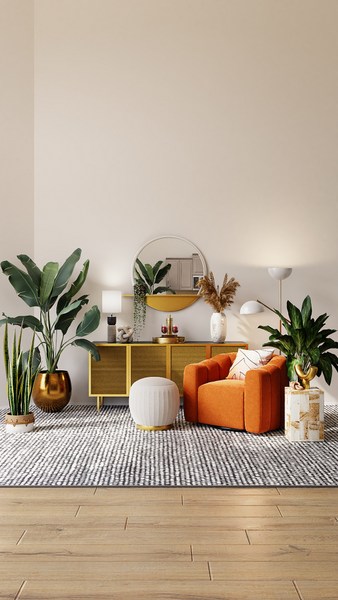
Sustainability is becoming an increasingly important aspect of everyday life, and interior design is no exception. As we become more aware of the impact that our actions have on the environment, it’s important to consider sustainability when designing the interiors of our homes. By incorporating sustainable design elements, we can create beautiful, functional, and eco-friendly spaces that benefit both our families and the planet.
Here are some tips for taking sustainability into account when designing the interior of your home:
- Choose Sustainable Materials
When choosing materials for your interior design, opt for eco-friendly options that have minimal impact on the environment. Some materials to consider include reclaimed wood, bamboo, cork, and recycled glass. These materials are renewable, recyclable, and biodegradable, making them an ideal choice for sustainable interior design.
- Consider Energy Efficiency
Energy-efficient design is a key component of sustainable interior design. Incorporating energy-efficient lighting, heating, and cooling systems can help reduce your home’s energy consumption and lower your carbon footprint. LED lighting, for example, is an energy-efficient alternative to traditional lighting, while programmable thermostats can help you manage your home’s temperature more efficiently.
- Choose Non-Toxic Materials
When designing your interior, it’s important to consider the health of your family as well as the environment. Many conventional materials and finishes, such as paints, adhesives, and carpets, can emit harmful toxins into the air, negatively impacting indoor air quality. Opt for low-VOC (volatile organic compound) paints, natural wool carpets, and non-toxic adhesives to reduce exposure to harmful chemicals.
- Consider Sustainable Furniture
When choosing furniture, look for pieces made from sustainable materials such as reclaimed or FSC (Forest Stewardship Council) certified wood. These materials are sourced from responsibly managed forests and have a lower impact on the environment. Additionally, consider purchasing furniture from companies that prioritize sustainability in their manufacturing and distribution practices.
- Reduce Waste
Reducing waste is an important part of sustainable interior design. Opt for furniture and décor pieces that are durable and long-lasting, rather than disposable or trendy items that may be quickly discarded. Consider repurposing old furniture or décor items instead of throwing them away, or donate them to a local charity or thrift store. Additionally, consider recycling or composting waste whenever possible.
- Incorporate Natural Elements
Bringing natural elements into your home can not only enhance the beauty of your space but also promote sustainability. Incorporate plants, natural wood finishes, and other organic materials to create a connection with the natural world. Additionally, natural materials often have a longer lifespan and can be easier to maintain than synthetic materials.
- Design for Flexibility
Designing your home for flexibility can help promote sustainability by reducing the need for frequent updates and renovations. Consider designing your home with multi-purpose spaces that can adapt to different needs and changing lifestyles. For example, a guest room can double as a home office, or a dining room can convert to a playroom for children.
In conclusion, incorporating sustainable design elements into your home’s interior can benefit both your family and the environment. By choosing sustainable materials, designing for energy efficiency, choosing non-toxic materials, opting for sustainable furniture, reducing waste, incorporating natural elements, and designing for flexibility, you can create a beautiful and eco-friendly home that supports your lifestyle and values.
Leave a Reply